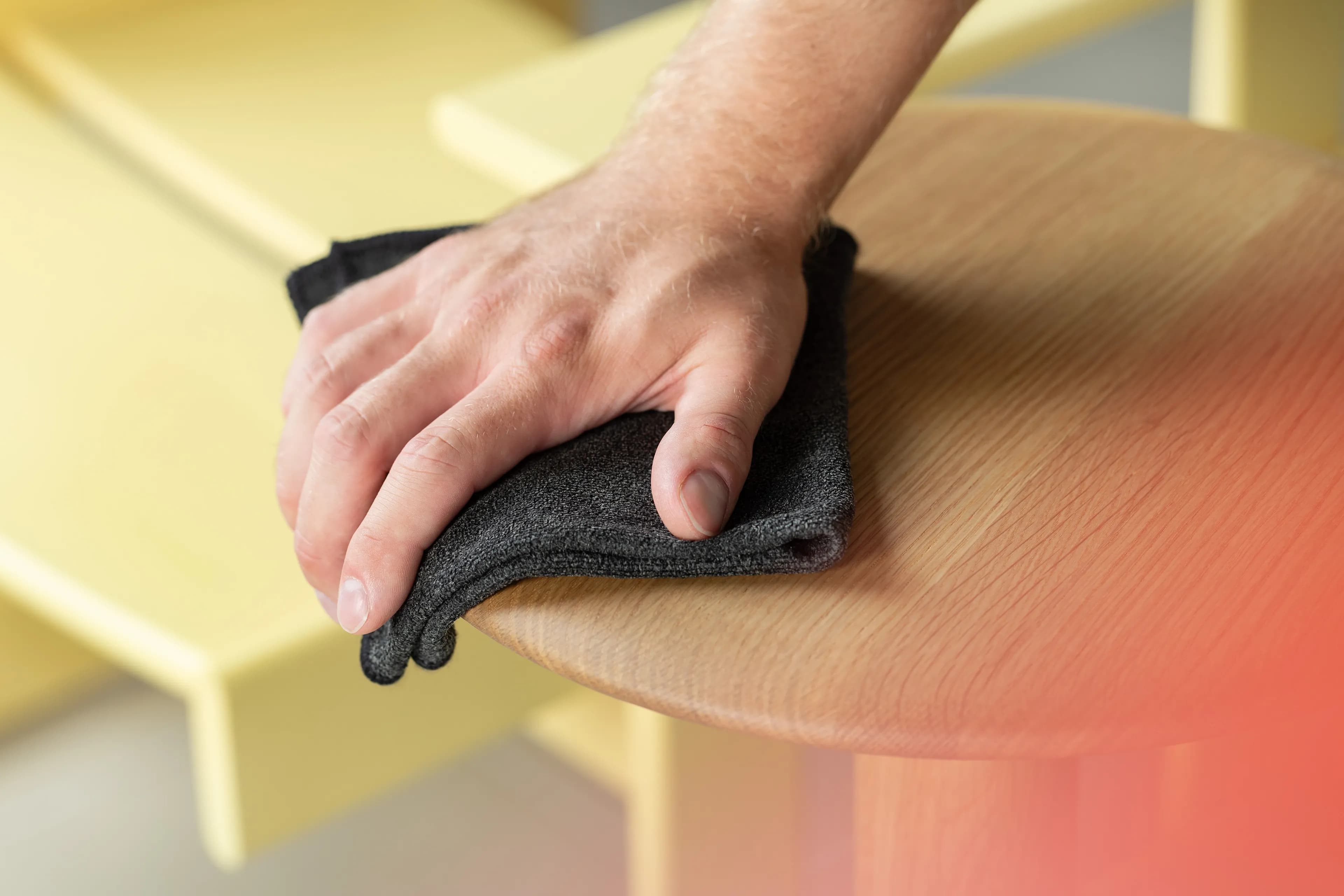
Care instructions
A product's life span is the biggest determinant on how much a product affect the environment. The better we take care of the furnishings, the longer they last, resulting in a higher second-hand value.
A golden rule for stain removal is to remove the stain as soon as possible. Clean the surface using a mild detergent. Usually water and a small amount of washing-up liquid or soap is enough, or a mild pH-neutral detergent. Take care when using chemicals and tools. Avoid steel wool, coarse sponges, alkaline detergents, solvents like white spirit and preparations containing abrasives.
Do not use disinfectants containing high concentrations of alcohol or alkaline substances, such as 70 % alcohol. We always recommend organically produced cleaning agents that are gentle on your materials and our planet.
Textiles
In order to maintain the properties and appearance of fabric, we recommend careful vacuuming using a gentle nozzle. For removable covers, see the manufacturer’s washing instructions or contact us for advice. For specific and stubborn stains from, for example, chocolate, coffee or ink, you can get help from us. We work with partners who are experts in cleaning and impregnating textiles.
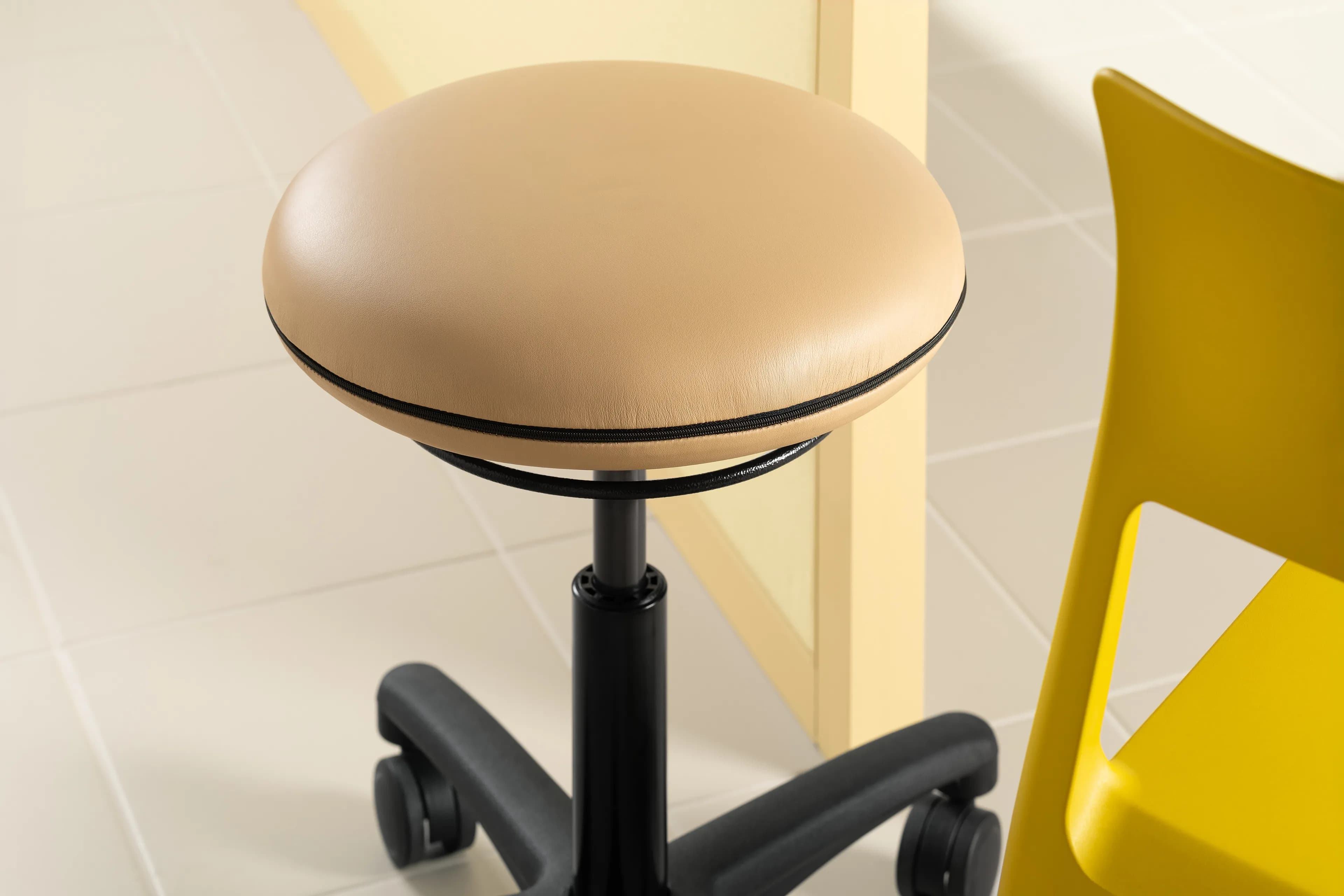
Artificial leather
Use a mild detergent and a cloth, or a soft brush to clean artificial leather. Then wipe with a damp cloth. If pigmented liquids end up on the surface, wipe them up quickly to avoid permanent stains.
Artificial leather can be washed with alcohol solution if it is dried immediately afterward. Avoid solvents or chemical cleaners.
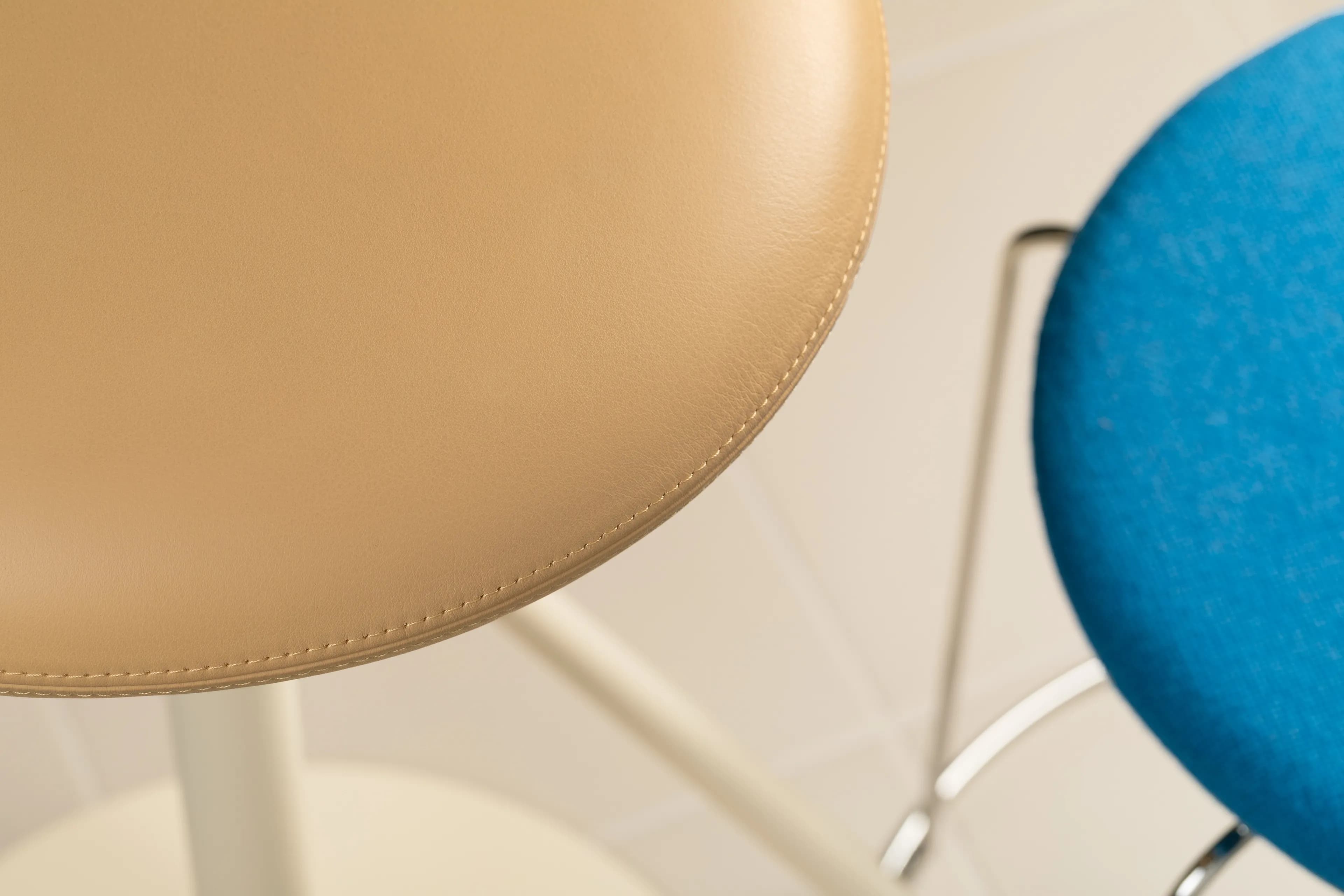
Leather
To maintain the surface protection of the leather, it needs to be cleaned regularly. This minimises the risk of dirt accumulating, which can create dark spots in the leather. Vacuum using a gentle nozzle and clean using a product specifically intended for leather. Wipe down with a damp cloth and wipe dry afterwards.
Leather-upholstered furniture should be positioned at least 30 cm from any heat source and should also be protected against prolonged exposure to direct sunlight. Impregnating leather with the right conditioning treatment can extend its life.
Wood
Wipe wood surfaces regularly with a damp cloth, and possibly a mild detergent, to protect the surface from permanent dirt and grease stains. Quickly wipe up any darker-coloured liquids from the surface.
An oiled table top should be oiled a few times in the first six months and then once or twice a year to keep the surface protected. A varnished surface does not require any maintenance.
Wood surfaces are sensitive to heat and moisture. Do not place hot objects directly on wood surfaces and leave an air gap between furniture and any radiators. The appearance of wood changes over time, especially when exposed to sunlight. Therefore, make sure that the whole of the wood surface is exposed to the same amount of light.
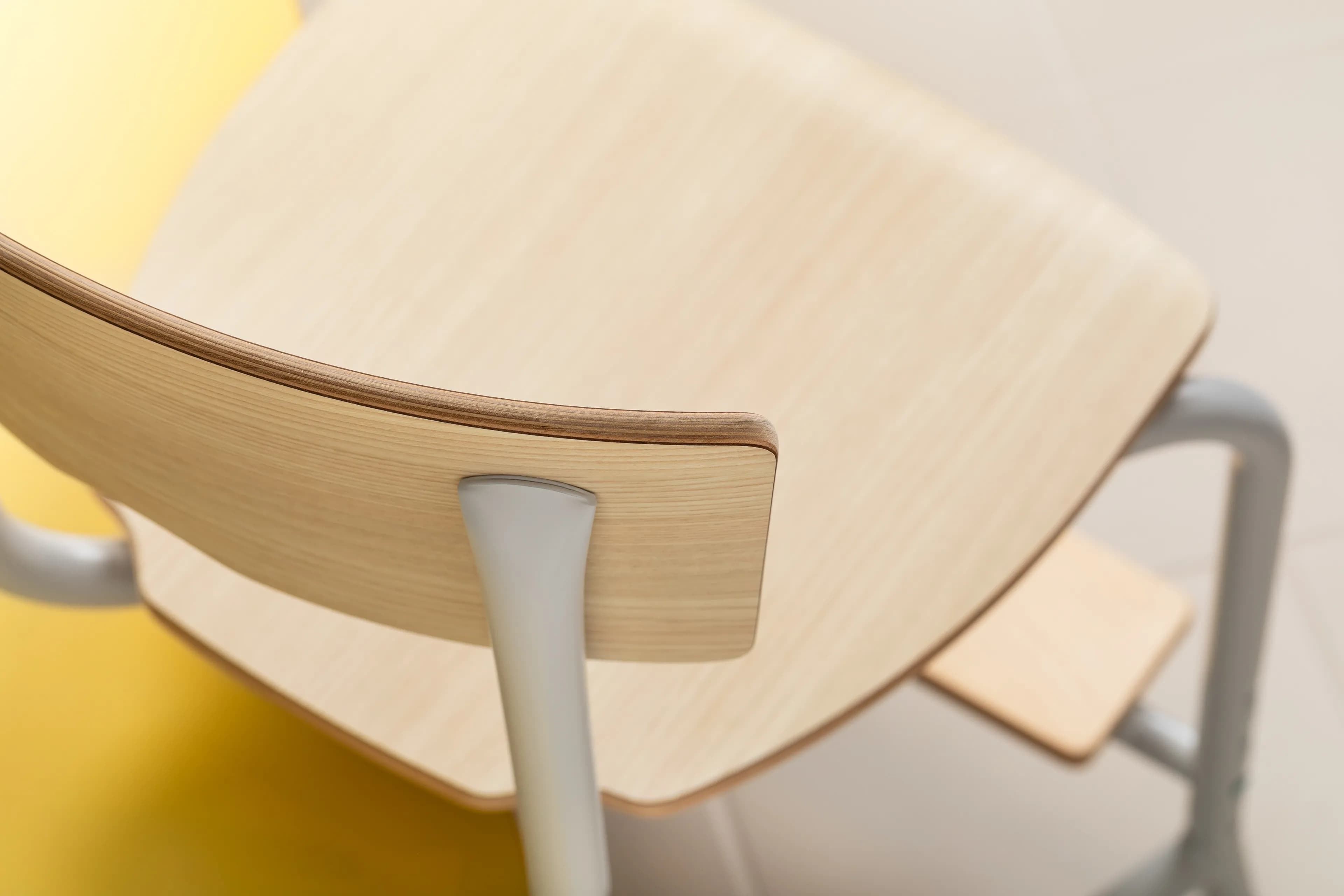
Laminate
Keep laminate surfaces clean using a damp cloth. Water and an ordinary mild detergent will dissolve most dirt stains.
Heavy soiling may require treating with a concentrated cleaner, before wiping down the surface with water and a cloth. If necessary, some disinfectant alcohol-based cleaner or window cleaner can be added to the cleaner. Always dry with a clean dry cloth.
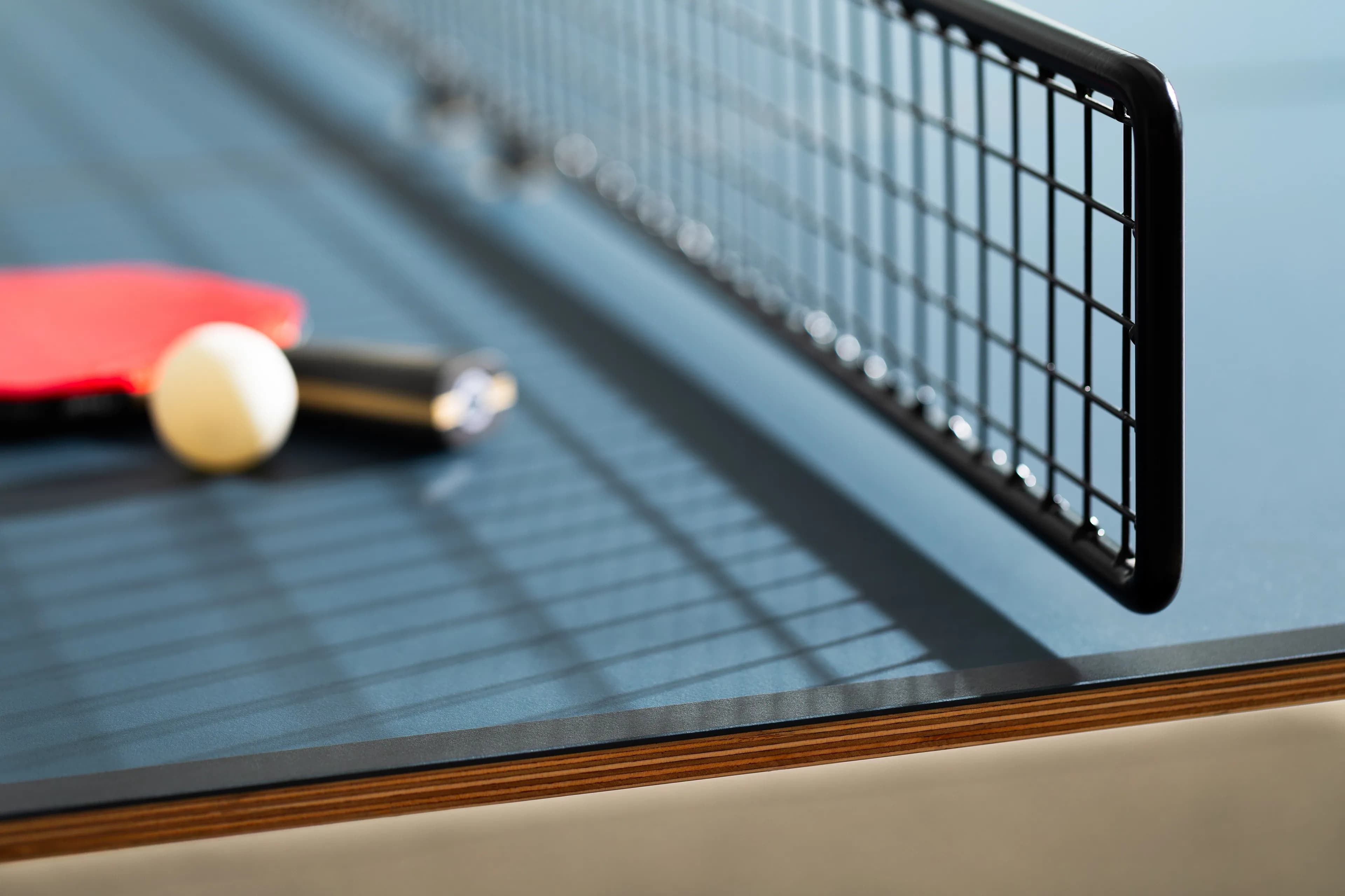
Linoleum
Initially use dry methods when cleaning linoleum surfaces, such as vacuuming or brushing. It is also possible to use a mild detergent applied to a damp cloth for regular cleaning.
Linoleum is resistant to common stains but not to acidic or alkaline substances. To avoid discolouration and marks, it is important to quickly wipe up any spilled liquid. Moisture can penetrate the material, which risks creating permanent stains.
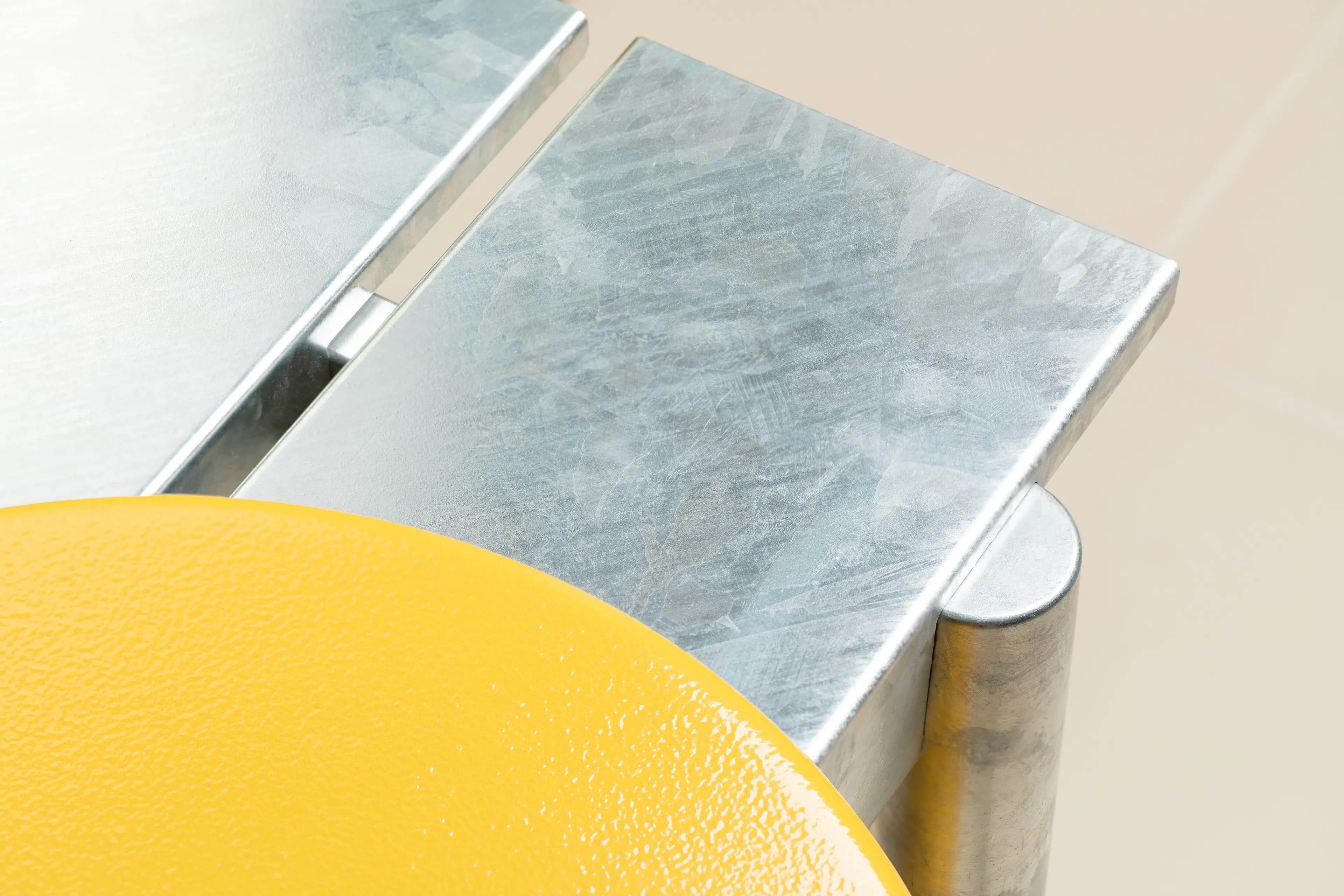
Metal
Wipe the surface with a damp cloth and a solution of water and a mild detergent for daily cleaning. For tough dirt or tarnished chrome, aluminium or stainless steel, a soft brush can be used. Wipe dry afterwards. Avoid acidic substances containing citric acid, as this may damage the surface if allowed to dry. Steel wool and scouring powder may scratch metal and should be avoided.
Plastic and PUR
Wipe the surface with a dry or damp cloth for daily cleaning. Use a mild detergent such as soap as needed. Wipe dry afterwards.
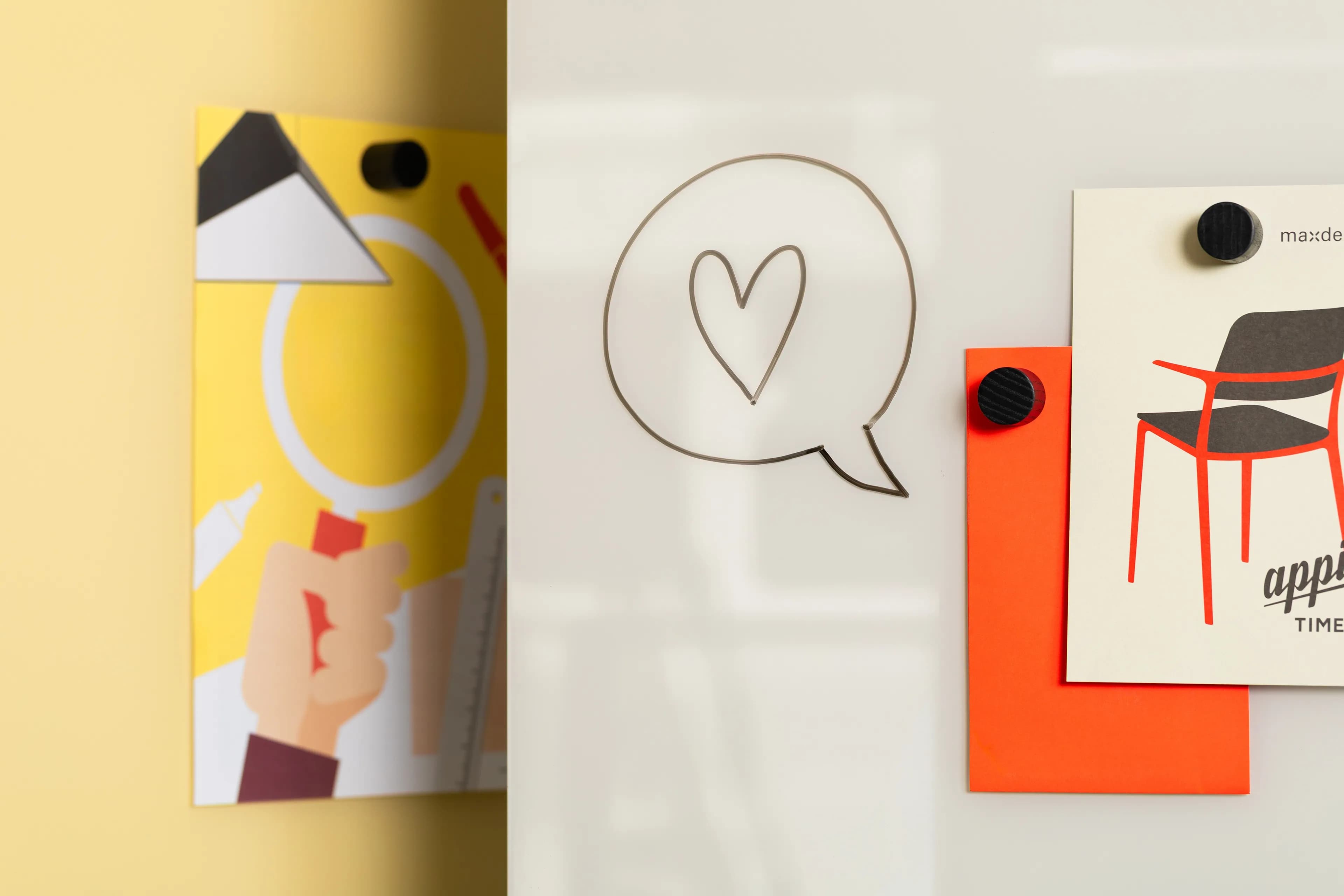
Writing boards
Regularly wiping writing boards with a whiteboard eraser or a microfibre cloth dipped in lukewarm water is often enough to keep them clean. Avoid using soap as it may damage the glossy surface. If ink from pens is left on for too long, it may be harder to remove. Remember not to erase writing boards with your hand.
Strong cleaning agents such as methylated spirits or acetone should be avoided on most materials for environmental reasons. However, for writing boards, it may be an option if previous methods have proven unsuccessful. Please contact us for further information.
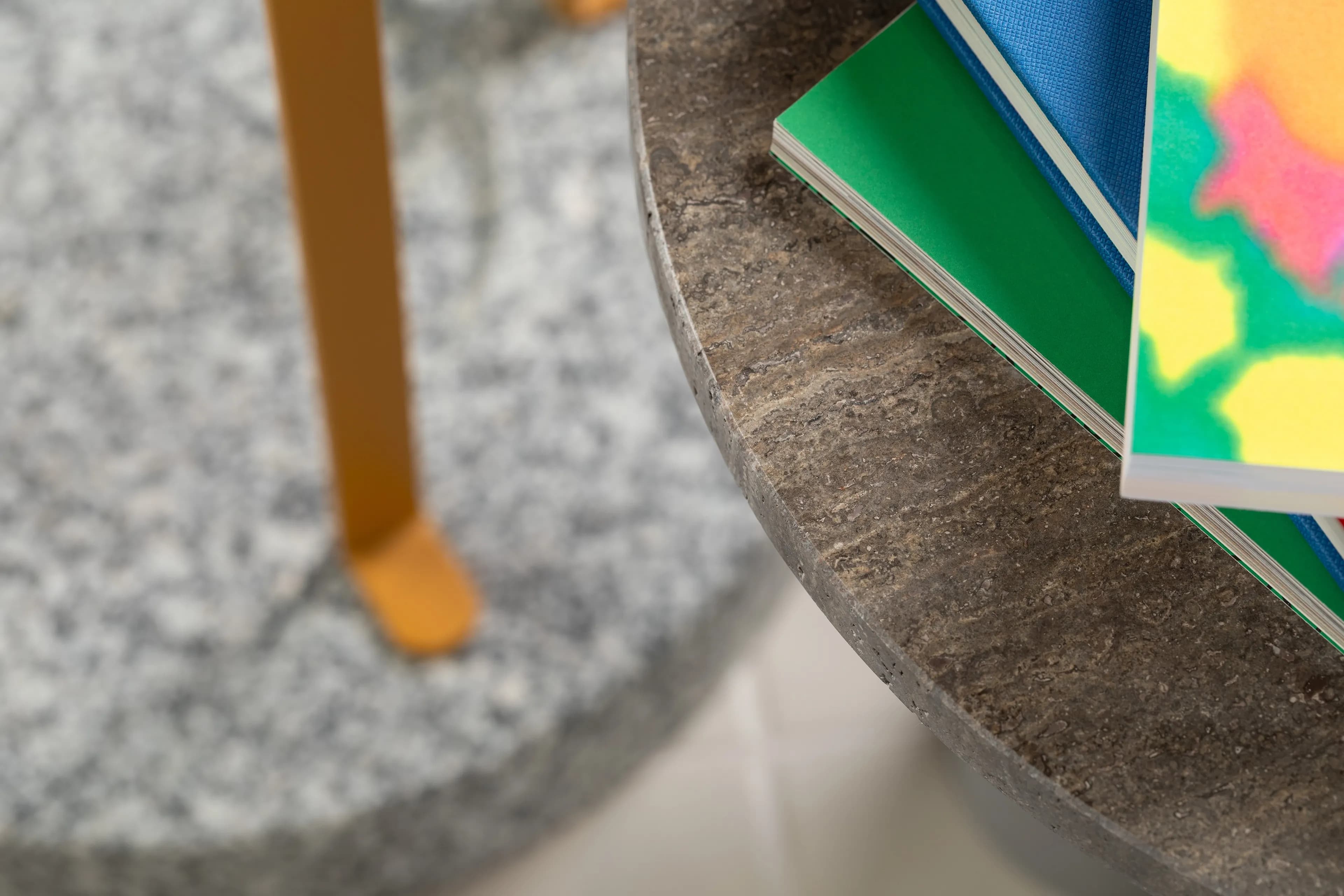
Stone
To protect stone from discolouration, the surface should be kept free of salt, lemon, carbonic acid, and any grease that may be absorbed.
Scrub the surface with a brush and mild detergent when cleaning and rinse with water. To remove more stubborn stains, leave a sponge soaked in soap solution on the stain overnight. Contact us for more information about specific stone materials.

Input interior for school and education
Input interior is the Nordic region's leading independent interior design group with unique expertise in customised solutions for schools and education.
Read more about us at inputinterior.noMy account
ProfileProjectsOrdersAgreementsTeamCookie settings
General
Input for educationInspirationSustainabilityAbout Input InteriörFAQContact usMarket
Follow us

